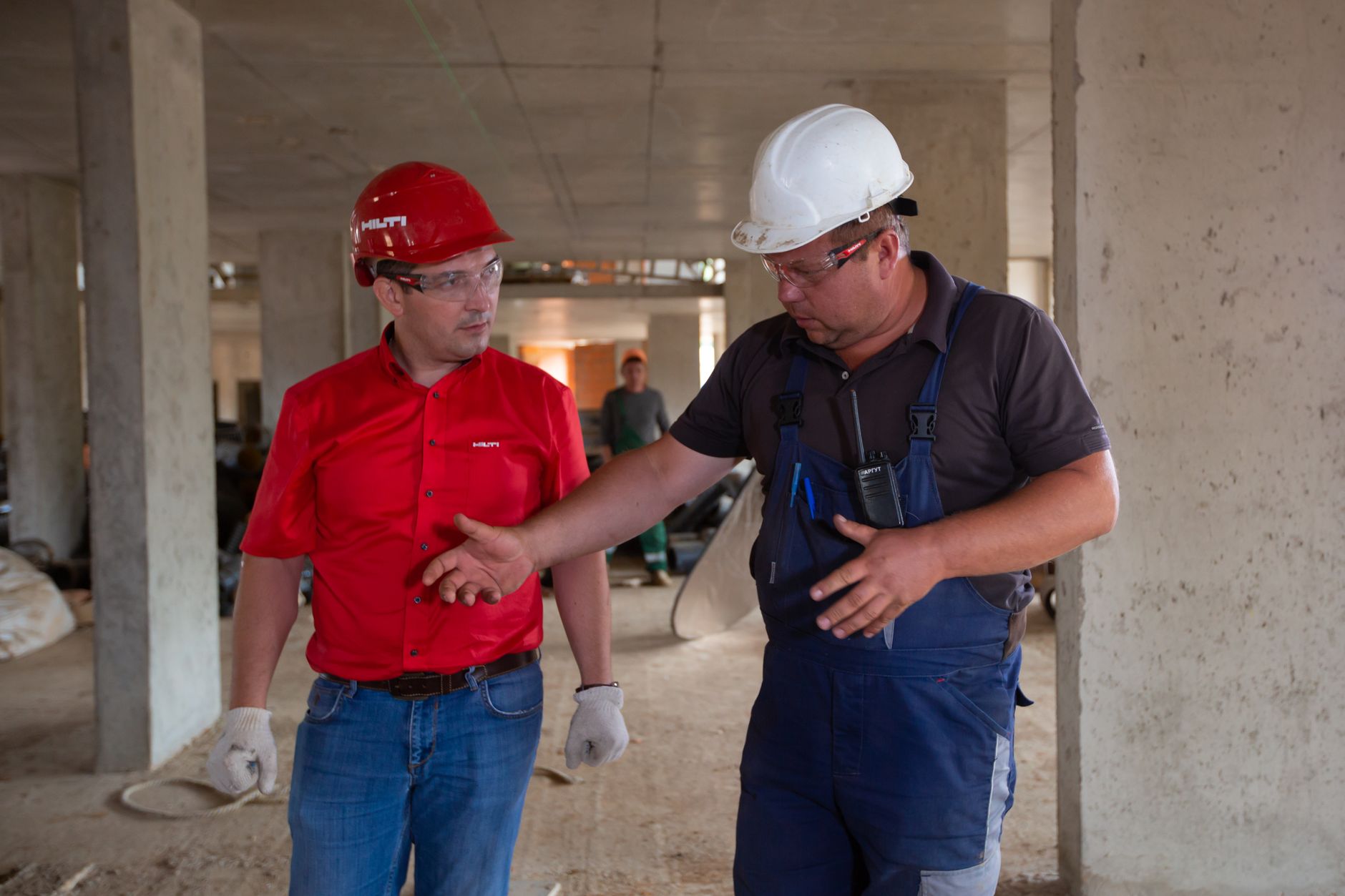
If you’ve spent years working in construction, contracting, or a related trade — or if you’ve simply watched the building industry grow and wondered how to become part of it at a higher level — you’re not alone. Many adults in their 30s, 40s, and even 50s are exploring how a construction management degree could open new doors for them professionally and personally. The question isn’t whether it’s too late. The question is: what would it look like to take that next step?
This guide is written for working adults who are seriously considering going back to school — or going for the first time — to pursue a construction management career. We’ll walk through what the field involves, what programs typically look like for adult learners, how to balance education with a full life, and why investing in yourself through education connects to your overall wellness in more ways than you might expect.
What Is Construction Management, and Why Does It Matter?

Construction management is the professional discipline of overseeing construction projects from start to finish. This includes planning, budgeting, coordinating teams, managing timelines, ensuring safety compliance, and communicating with clients, architects, engineers, and contractors. It’s a field that blends leadership, technical knowledge, and problem-solving — and it’s one of the most in-demand areas in the skilled trades sector.
Whether the project is a new residential neighborhood, a commercial complex, a hospital, or a public infrastructure upgrade, someone has to manage the entire process. That someone is a construction manager. For adults who enjoy working with their hands, leading teams, and seeing tangible results from their work, a construction management career can be an incredibly fulfilling direction.
Who Typically Pursues a Construction Management Degree as an Adult?
You don’t have to come from a construction background to pursue this field — though many who do find it deeply rewarding. Adult learners who explore construction management programs often include:
- Experienced tradespeople — electricians, carpenters, plumbers, or general laborers — who are ready to grow into leadership roles
- Project coordinators or administrative professionals in construction-adjacent industries looking to formalize their knowledge
- Military veterans whose service gave them strong logistical and leadership skills that translate naturally to construction management
- Working adults in completely different fields who have discovered a passion for building, design, or project leadership and want to make a career shift
- Entrepreneurs considering starting or expanding a contracting business who want a stronger academic foundation
No matter where you’re starting from, there are pathways designed to meet you there.
What to Expect from Construction Management Programs
Degree Levels and Program Options
Construction management programs are offered at multiple academic levels, so you can choose a path that aligns with your current experience, your timeline, and your long-term goals.
- Associate degrees typically take two years to complete and provide foundational knowledge in construction processes, project planning, and safety. They can be a great entry point for those new to the field.
- Bachelor’s degrees in construction management are four-year programs (or less if you transfer credits) that cover project management, cost estimation, building codes, sustainability, and business principles.
- Master’s degrees are ideal for professionals who already hold a bachelor’s and want to move into senior leadership, consulting, or specialized roles.
- Certificate programs offer a focused, shorter path for those who want to build specific skills — such as scheduling software, sustainable construction, or project budgeting — without committing to a full degree.
Online and Flexible Learning Formats
One of the most significant shifts in higher education over the past decade is the availability of online and hybrid programs — and this is especially important for working adults. Many accredited universities now offer fully online construction management degree programs designed with the adult learner in mind. This means you may be able to complete coursework in the evenings, on weekends, or during breaks in your work schedule — without relocating or giving up your current responsibilities.
If you have prior college credits or industry certifications, many programs allow you to transfer those credits, potentially reducing the time and cost of your degree. It’s worth asking admissions advisors directly about credit transfer policies before you apply.
Core Skills You’ll Likely Develop
Construction management programs are designed to build a well-rounded professional. Across most programs, you can expect to develop skills and knowledge in areas such as:
- Project scheduling and timeline management
- Construction cost estimating and budget oversight
- Building codes, zoning laws, and safety regulations
- Contract administration and procurement
- Sustainable and green building practices
- Communication and team leadership
- Construction technology tools and software (such as BIM and project management platforms)
These aren’t just technical skills — they’re leadership competencies that can serve you in any professional environment.
How Pursuing Education Supports Your Overall Wellness
At MyCollegeWellness, we believe that education isn’t just about a credential — it’s about becoming a fuller, more capable version of yourself. A construction management degree touches several of the eight dimensions of wellness in meaningful ways:
- Vocational wellness is perhaps the most obvious — aligning your work with your strengths, interests, and values is central to feeling fulfilled in your career. Pursuing a construction management career can be a direct path to greater professional satisfaction.
- Intellectual wellness grows when you’re learning, solving complex problems, and engaging with new ideas. Construction management programs challenge you to think critically and analytically in ways that stimulate your mind.
- Financial wellness is supported when you take thoughtful steps to expand your professional qualifications and explore opportunities that may align better with your financial goals — though outcomes will always vary and are not guaranteed.
- Social wellness develops through the relationships you build with instructors, classmates, and professional mentors — a network that can support your growth for years to come.
- Emotional wellness is nurtured when you take intentional action toward your goals. The confidence that comes from investing in yourself — from saying “I’m doing this” — has a real and lasting impact on how you feel about your future.
Practical Tips for Adults Balancing School and Life
Going back to school as a working adult is a real commitment — and it comes with real challenges. Here are some practical ways to set yourself up for success:
Start with a Conversation, Not a Commitment
Before you apply anywhere, reach out to admissions advisors at programs you’re considering. Ask about flexible scheduling, credit transfer options, time requirements per week, and what support services are available for adult learners. This conversation costs you nothing and gives you real information to make a thoughtful decision.
Map Out Your Time Honestly
Most online programs require 15–20 hours of study time per week per full-time course load. Take an honest look at your schedule. Could you dedicate mornings before work? Evenings after dinner? Weekend blocks? Being realistic about your time helps you choose a program pace — full-time vs. part-time — that you can actually sustain.
Involve the People Around You
If you have a partner, children, or other dependents, talking with them about your educational plans early on can make a real difference. When the people in your life understand what you’re working toward and why, they’re far more likely to support the adjustments that come with being a student.
Look Into Employer Education Benefits
Many employers — especially in industries related to construction, engineering, and project management — offer tuition reimbursement or education assistance programs. Check with your HR department before assuming you have to fund everything on your own.
Questions to Ask Before You Choose a Program
Not all programs are the same. As you research your options, here are key questions worth asking:
- Is the program accredited by a recognized accrediting body (such as ACCE — the American Council for Construction Education)?
- Is the program designed specifically to accommodate working adults?
- What is the expected time commitment per week?
- What does the total cost look like, and what financial aid options are available to explore?
- Are there opportunities for real-world application, such as capstone projects or industry partnerships?
- What is the format — fully online, hybrid, or in-person?
Taking time to research your options thoroughly is one of the most valuable things you can do before making any enrollment decisions. There’s no rush — the goal is to find a program that genuinely fits your life and your aspirations.
If you’re ready to take the next step and explore what construction management programs might look like for you, we encourage you to browse your options and connect with programs designed with working adults in mind.