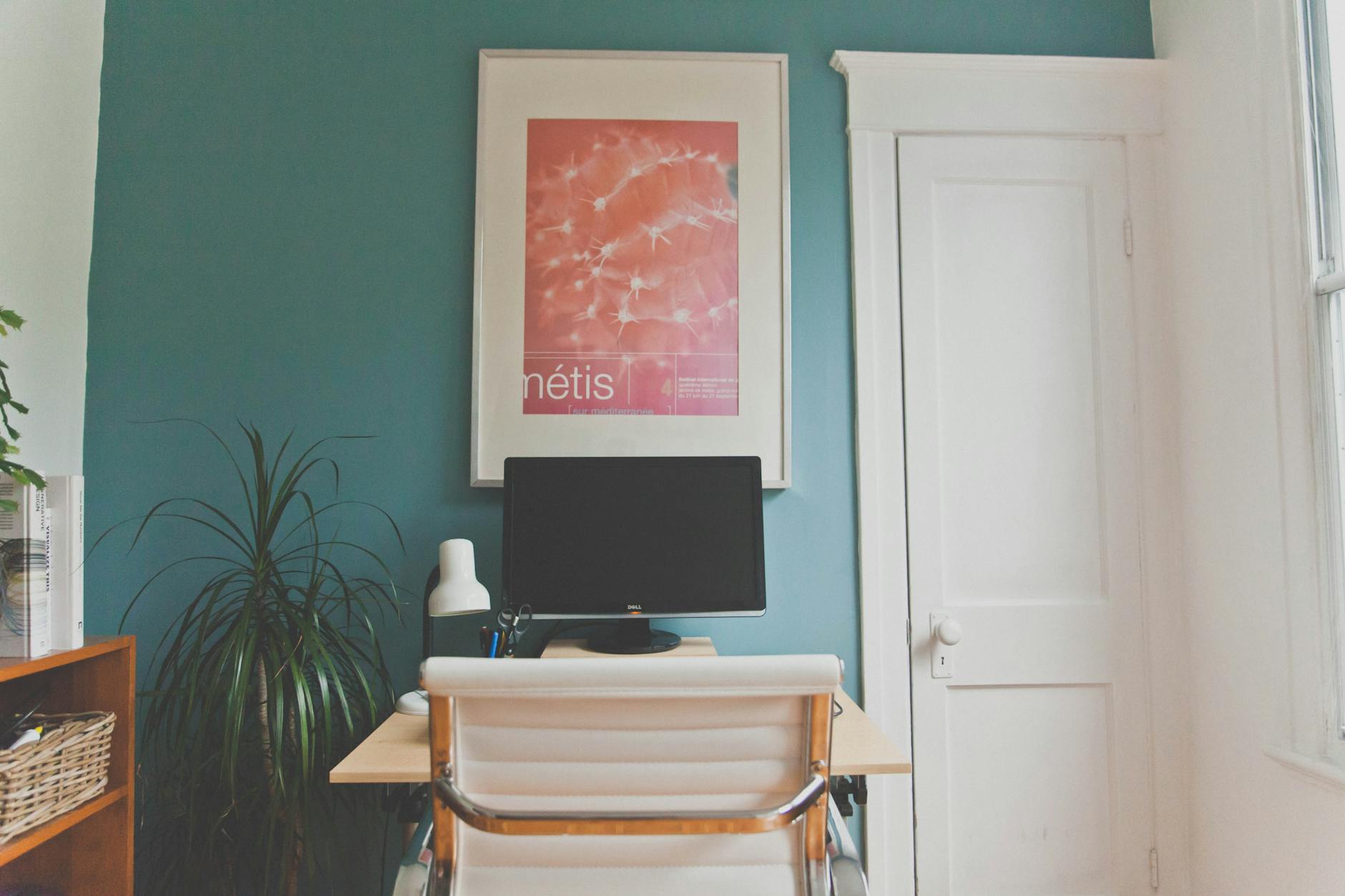
Your Home Is Your New Classroom—Set It Up for Success

When you decide to go back to school as an adult, your home becomes more than just where you live—it becomes your study headquarters. Whether you’re taking classes online or need a quiet space to do homework after on-campus sessions, the environment where you study has a profound impact on your ability to focus, retain information, and stay motivated throughout your program.
Unlike traditional students who may have access to dorm rooms and campus libraries, adult learners often study at kitchen tables, on couches, or wherever they can find a few quiet minutes. But with some intentional planning, you can create a study space at home that supports your academic goals and protects your wellness—even if you’re working with limited space and a busy household.
Why Your Study Environment Matters
Research shows that your physical environment directly affects cognitive performance. Clutter, noise, poor lighting, and uncomfortable seating all reduce your ability to concentrate and process new information. For returning students who may already feel challenged by re-entering academics, a disorganized study space adds unnecessary friction to the learning process.
Conversely, a well-organized, comfortable, and dedicated study area signals to your brain that it’s time to focus. Over time, this environmental cue becomes a powerful trigger that helps you shift into study mode more quickly and effectively—saving you precious time in your already packed schedule.
Finding Your Space: Working With What You Have
You don’t need a dedicated home office to create an effective study space. Many adult learners successfully study at a corner desk in their bedroom, a section of the dining table, or even a converted closet. The key is consistency—using the same spot each time you study helps your brain associate that location with focus and learning.
If you share your home with family or roommates, communicate your study schedule clearly. Even setting up a simple signal—like wearing headphones or placing a sign on your door—can help others understand when you need uninterrupted time. This boundary-setting is especially important for parents going back to school who need to balance study time with family life.
Lighting, Comfort, and Ergonomics
Good lighting reduces eye strain and keeps you alert. Natural light is ideal, so position your study area near a window if possible. For evening study sessions, invest in a quality desk lamp with warm white light that illuminates your workspace without causing glare on your screen.
Comfort matters too, but be strategic about it. A supportive chair at a proper desk height keeps you focused much longer than studying in bed or on a soft couch, which can trigger drowsiness. If a new chair isn’t in the budget, a simple cushion and a small footrest can make a regular dining chair much more comfortable for extended study sessions.
Minimizing Distractions in a Busy Home
Distractions are the number one enemy of productive studying, and adult learners face more of them than traditional students. Your phone, household chores, children, pets, and the temptation to watch TV are all competing for your attention. Being proactive about managing these distractions is essential.
Try the “phone in another room” strategy during study blocks. Use apps that block social media during study hours. Create a short pre-study ritual—making a cup of tea, organizing your notes—that signals to your brain it’s time to focus. And remember, it’s okay to study in shorter, focused blocks. Research shows that 25-50 minute focused sessions with short breaks are more effective than marathon study attempts.
Digital Organization for Online Learners
If you’re pursuing an online degree—one of the most popular options for adults going back to school—your digital workspace matters as much as your physical one. Keep your computer desktop organized, create dedicated folders for each course, and bookmark your school’s learning management system for easy access.
A reliable internet connection is non-negotiable for online learning. If your home Wi-Fi is spotty, consider upgrading your router or identifying backup locations like a library or coffee shop where you can connect when needed. A pair of noise-canceling headphones can also transform any environment into a focused study space.
Your Space Reflects Your Commitment
Creating a dedicated study space is more than just practical—it’s a statement of commitment to your education. It tells yourself and everyone around you that this matters, that you’re serious about building a better future through learning. Every time you sit down in your study space, you’re reinforcing the decision you made to go back to school.
You don’t need perfection. You need a space that works for you—one that’s comfortable, organized, and free from as many distractions as possible. Start setting it up now, and when your first day of class arrives, you’ll be ready to learn from the moment you sit down.