Is an Automotive Career the Right Next Step for You?

If you’ve ever found yourself fascinated by how engines work, enjoyed helping a neighbor troubleshoot a car problem, or simply felt a pull toward working with your hands in a meaningful way, you’re not alone. Many adults — whether they’re exploring education for the first time or considering going back to school after years in the workforce — are discovering that a career as an automotive technician is both fulfilling and full of opportunity. The best part? You don’t need to have a background in mechanics to get started. What you need is curiosity, commitment, and a willingness to invest in yourself.
This article is for you — the working adult who is ready to grow in a new direction, explore a skilled trade, and build a career path that aligns with your interests and your life. Let’s take a closer look at what an automotive career involves, what auto mechanic training looks like, and how taking this step could support your overall wellness in ways you might not expect.
What Does an Automotive Technician Actually Do?
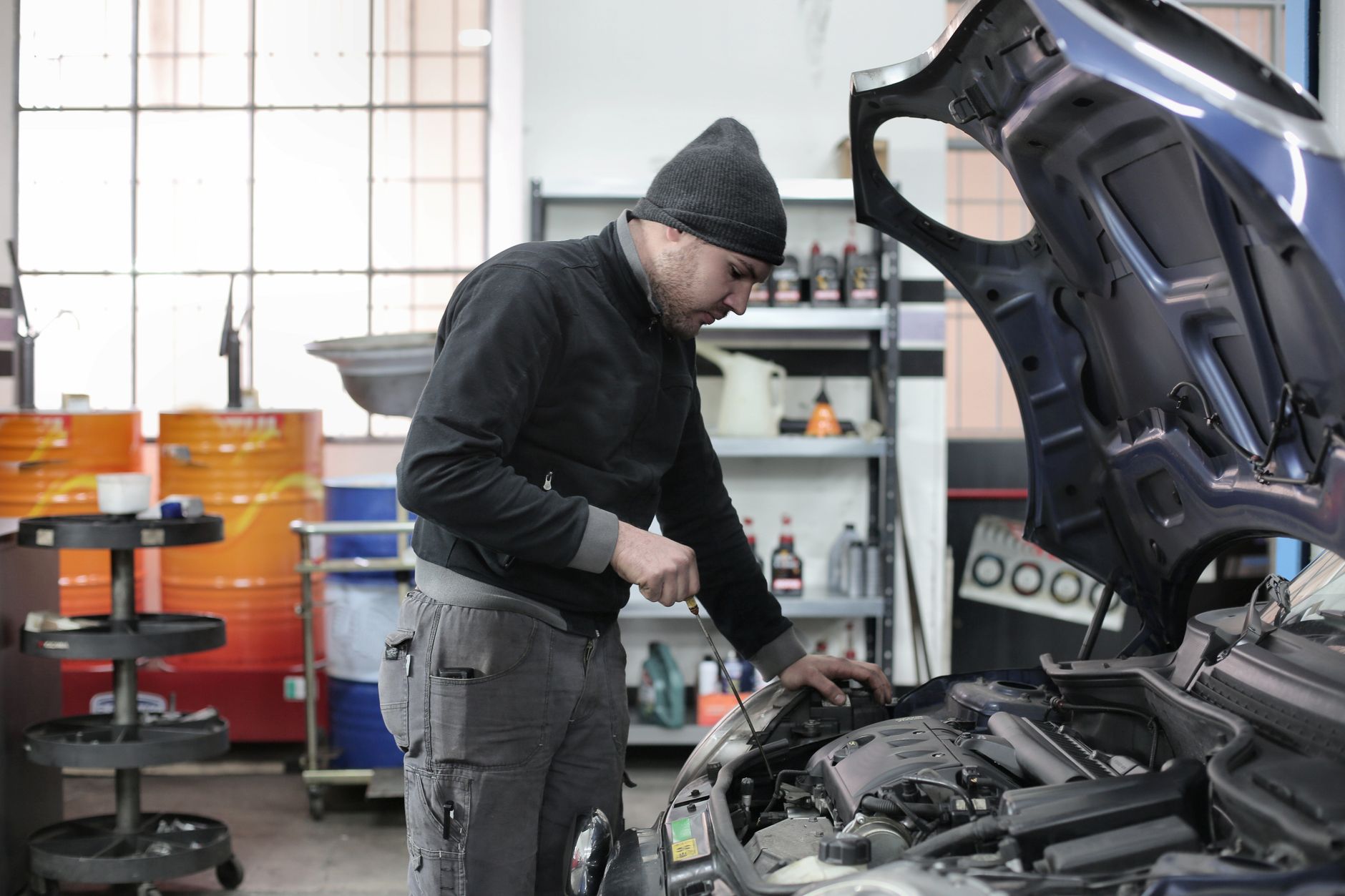
An automotive technician — sometimes called an auto mechanic — is a trained professional who diagnoses, repairs, and maintains vehicles. While many people picture someone changing oil or rotating tires, today’s automotive technicians do much more than that. Modern vehicles are sophisticated machines that rely heavily on computer systems, electronic sensors, and advanced engineering. That means the field demands both technical skill and sharp problem-solving ability.
Common Responsibilities of an Automotive Technician
- Diagnosing mechanical and electrical issues using diagnostic software and tools
- Performing routine maintenance such as oil changes, tire rotations, and brake inspections
- Repairing or replacing engine components, transmissions, and exhaust systems
- Inspecting and servicing heating and cooling systems
- Working on hybrid and electric vehicle systems
- Communicating findings clearly with customers and service advisors
- Maintaining accurate records of repairs and services performed
As vehicles continue to evolve — especially with the growing presence of electric and hybrid technology — automotive technicians are increasingly in demand as specialized professionals, not just generalists. This is a field where lifelong learning is built right into the work itself, which is great news for intellectually curious adults who enjoy staying sharp.
What Is Auto Mechanic Training Like?
One of the most encouraging things about pursuing auto mechanic training as an adult is that the path is flexible and accessible. Many programs are designed with working adults in mind, offering evening classes, accelerated options, and hands-on formats that make it possible to learn while managing your existing responsibilities.
Types of Auto Mechanic Training Programs
When you start researching your options, you’ll find several different educational pathways to explore:
- Certificate Programs: Typically shorter in duration, these programs focus on specific skill sets and can often be completed in under a year. They’re a great starting point for adults who want to enter the field quickly.
- Associate Degree Programs: Offered at community colleges and technical schools, these two-year programs provide a broader foundation in automotive technology, including coursework in electronics, customer service, and shop management.
- Manufacturer-Specific Training: Some programs partner with brands like Ford, Toyota, or GM to offer training aligned with those vehicles. These can open doors to working at dealerships or specialized service centers.
- ASE Certification Preparation: The National Institute for Automotive Service Excellence (ASE) offers certifications that many employers recognize. Look for programs that include ASE exam preparation as part of the curriculum.
If you’re unsure which level of training is right for you, that’s completely okay. Part of the process is doing your research, speaking with admissions advisors, and understanding what each program covers before making a decision.
How an Automotive Career Supports Your Overall Wellness
At MyCollegeWellness, we believe that education is about more than credentials — it’s about building a life that feels whole and purposeful. A career as an automotive technician can connect to multiple dimensions of wellness in meaningful ways.
Vocational Wellness
Vocational wellness is about finding meaning and satisfaction in the work you do. Many automotive technicians describe their work as genuinely rewarding — there’s a deep sense of accomplishment in diagnosing a complex problem and solving it with your own hands. When your skills are put to good use every day, work can feel purposeful rather than routine.
Intellectual Wellness
Modern vehicles are technological marvels, and keeping up with them requires continuous learning. Automotive technicians are always expanding their knowledge — whether it’s understanding new diagnostic systems, learning about electric drivetrains, or pursuing advanced certifications. If you enjoy problem-solving and learning new things, this field keeps your mind actively engaged.
Financial Wellness
Skilled trades like automotive technology are fields where experience and certification can open doors to a range of career options — from working at independent shops to dealerships, fleet services, or even starting your own business one day. Investing in training is a step toward building a more stable financial foundation over time.
Physical Wellness
If you prefer an active work environment over sitting at a desk all day, automotive work may be a natural fit. The physical nature of the job — moving, lifting, and using your hands — keeps you engaged and on your feet. Many technicians appreciate that their work is anything but sedentary.
Social Wellness
Automotive technicians regularly interact with colleagues, service advisors, and customers. Strong communication skills are increasingly valued in this field, and training programs often emphasize customer service alongside technical skills. Building those relationships — both in the shop and with the people you help — adds a rewarding social dimension to the work.
Practical Tips for Adults Considering Auto Mechanic Training
Making the decision to go back to school or pursue training for the first time is a big step — and it deserves thoughtful consideration. Here are some practical ways to move forward with confidence.
1. Explore Programs in Your Area and Online
Start by researching community colleges, technical schools, and trade programs near you. Many schools now offer hybrid options that combine online coursework with hands-on lab time, which can make balancing training with work and family life much more manageable.
2. Talk to People Already in the Field
Reach out to local shops or service centers and ask if you can speak with a technician about their experience. Informational conversations can give you real insight into what a typical workday looks like and what pathways they took to get where they are.
3. Ask About Financial Aid Options
When you speak with a school’s admissions or financial aid office, ask about your options for funding your education. Federal financial aid programs, employer tuition assistance, and workforce development grants are all worth exploring. Every school’s offerings are different, so be sure to ask questions specific to the programs you’re considering.
4. Consider Your Long-Term Goals
Think about where you’d like to be in five years. Do you want to specialize in a particular type of vehicle or system? Are you interested in eventually managing a shop or working for yourself? Your long-term vision can help you choose the right level of training to pursue now.
5. Take It One Step at a Time
You don’t have to have everything figured out before you take the first step. Starting with a certificate program, attending an information session, or simply requesting details from a school are all meaningful moves forward. Progress doesn’t have to be perfect — it just has to be a step.
Is an Automotive Career a Good Fit for You?
An automotive career may be a strong fit if you enjoy hands-on work, have a curious and analytical mind, take pride in solving problems, and want a career that produces tangible results every single day. It’s also a field that tends to be resistant to outsourcing — vehicles need local, skilled professionals to keep them running, which means the work stays in your community.
Whether you’re exploring this path for the first time or returning to education after years away, know that it’s never too late to invest in a skill set that excites you. Adults of all ages successfully complete auto mechanic training and go on to build careers they’re proud of. Your timeline is your own, and every step you take is progress worth celebrating.
Ready to Take the Next Step?
If exploring a career as an automotive technician resonates with you, the next step is simply to start looking at programs that align with your goals, your schedule, and your life. There are programs designed for working adults just like you — and taking time to explore your options is one of the most empowering things you can do for your future.