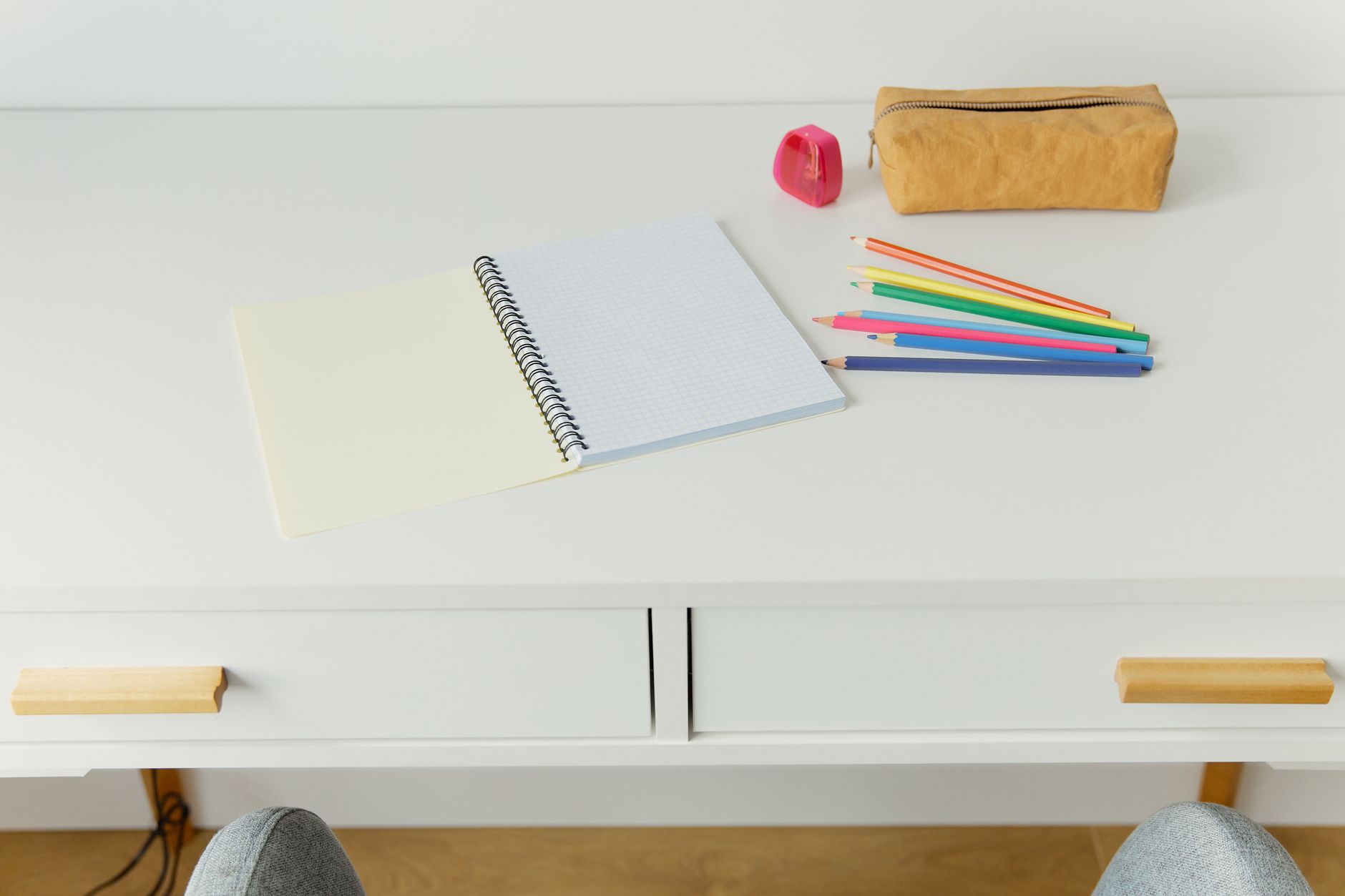
If you’ve been thinking about going back to school — or starting college for the very first time — you’ve probably already pictured what your days might look like. Squeezing in coursework between work shifts, family responsibilities, and everything else life brings. It can feel like a big undertaking, and it is. But here’s something that often gets overlooked in all the planning: where you study matters just as much as when you study. A thoughtfully designed home study space for adult learners can be one of the most powerful investments you make before your first class even begins. It’s not just about having a desk and a laptop — it’s about creating an environment that supports your focus, your energy, and your overall wellness as you take this exciting next step.
Why Your Learning Environment Matters More Than You Think

The connection between our physical environment and our mental state is well-established. When you design a space intentionally — one that signals to your brain that it’s time to focus and grow — you set yourself up for a more productive and enjoyable learning experience. This is especially important for adult learners, who are often balancing education alongside careers, families, and community commitments.
Learning environment wellness is one of the pillars that supports success in remote and hybrid education. In fact, the environmental dimension is one of the 8 dimensions of wellness, and it speaks directly to how the spaces we inhabit influence our mental clarity, motivation, and sense of purpose. When your study space feels good, you’re more likely to show up for it consistently — and consistency is one of the most important factors in reaching your educational goals.
Choosing the Right Spot in Your Home
You don’t need a separate room or a major renovation to create an effective remote learning setup. What you do need is a dedicated space — even a specific corner of a room — that becomes associated with focused study time. Here’s how to start:
- Minimize distractions: Choose a spot away from high-traffic areas of your home if possible. Even a well-placed bookshelf or curtain can help create a sense of separation.
- Prioritize natural light: Natural light supports alertness and mood. Position your desk near a window if you can. If natural light isn’t available, a quality daylight bulb can help.
- Consider noise levels: Some people focus best in silence; others do well with soft background music or white noise. Knowing your preference and setting up your space accordingly can make a real difference.
- Make it yours: Add a plant, a motivational quote, or a photo that reminds you of why you’re doing this. Small personal touches connect your emotional wellness to your learning environment.
The Physical Setup: Comfort and Health Matter
When you’re spending hours reading, watching lectures, or writing assignments, your body feels it. Supporting your physical dimension of wellness through your study space setup isn’t a luxury — it’s a practical necessity.
Invest in Ergonomics
A chair that supports your back and a desk at the right height can help you study longer and more comfortably. If a full ergonomic chair isn’t in the budget right now, even a lumbar support cushion for an existing chair can make a meaningful difference. Your screen should be at eye level to reduce neck strain — a simple laptop stand or a stack of books can work just fine.
Take Movement Seriously
Sitting for long stretches isn’t great for anyone. Build short movement breaks into your study sessions — a five-minute walk, some light stretching, or even standing up and breathing deeply between modules. Some adult learners find that a timer or app that reminds them to move every 45 to 60 minutes helps them stay energized and focused throughout longer study blocks.
Organizing for Clarity and Intellectual Flow
Clutter is one of the quiet adversaries of focus. A disorganized space can lead to a distracted mind, which makes it harder to engage deeply with coursework. Supporting your intellectual dimension of wellness starts with giving your brain a calm, clear environment to work in.
- Keep only what you need on your desk: Your current textbook, a notepad, your laptop, and perhaps a water bottle. Everything else can be stored nearby but out of immediate sight.
- Use organizational tools: Folders, binders, and digital organization apps can help you manage coursework, deadlines, and notes without feeling overwhelmed.
- Create a simple filing system: Whether physical or digital, having a place for everything means you spend less time searching and more time learning.
- End each session with a reset: Before you step away, spend two minutes tidying your space so it’s ready and welcoming for your next study session.
Setting Boundaries That Support Your Goals
One of the unique challenges adult learners face is that home is already full of other roles and responsibilities. Creating clear boundaries around your study time and space helps protect the investment you’re making in yourself. This connects to both your emotional wellness and your social wellness — because setting boundaries is also a form of communication with the people around you.
Let the people you live with know when you’ll be studying and ask for their support. A simple sign on the door, a specific start and end time, or a shared household calendar can go a long way. When your family or household understands your goals, they’re often more willing to help create the conditions you need to succeed.
Technology and Your Remote Learning Setup
Most online and hybrid programs today require a reliable internet connection, a capable device, and familiarity with learning management platforms. Getting your technology sorted before classes begin can reduce stress and help you start strong. Here are a few things to consider for your remote learning setup:
- Reliable internet: If your connection is inconsistent, explore whether your provider offers upgraded plans or if a Wi-Fi extender could help strengthen your signal in your study area.
- Headphones or earbuds: These are invaluable for listening to lectures clearly, especially in a busy household.
- A backup plan: Know where your local library is. Many offer free Wi-Fi and quiet study spaces, which can be a great backup option on days when home isn’t working.
- Digital organization: Tools like Google Drive, Notion, or even a simple calendar app can help you manage assignments, deadlines, and course materials efficiently.
Connecting Your Space to Your Bigger Purpose
There’s something deeply meaningful about creating a space that reflects your commitment to growth. Your home study area isn’t just a practical setup — it’s a daily reminder of why you’re doing this. Whether you’re exploring a new career path, expanding your knowledge in a field you love, or pursuing a lifelong dream of earning a degree, that space holds your intention.
This connects to the spiritual dimension of wellness — not in a religious sense necessarily, but in the sense of living in alignment with your values and your vision for your future. When your environment reflects your purpose, showing up to study feels less like a chore and more like an act of self-investment. It can also connect to your vocational wellness — the sense that you’re actively moving toward work and a life that feels fulfilling and meaningful to you.
Small Changes, Big Impact
You don’t have to overhaul your entire home to create a space that supports your learning. Start small and build from there. Even one dedicated surface, one good light source, and one clear hour in your day can be the beginning of something significant. As your routine develops, you can refine and expand your setup in ways that work for your life and your goals.
The most important thing is to begin. And when you do, you’ll find that a well-designed home study space for adult learners does more than just hold your books and laptop — it holds your future.
If you’re ready to explore what educational paths might align with where you want to go, there are programs designed with adult learners in mind — flexible, accessible, and built around real lives. Take some time to explore your options and find a program that fits your goals, your schedule, and your vision for what comes next.