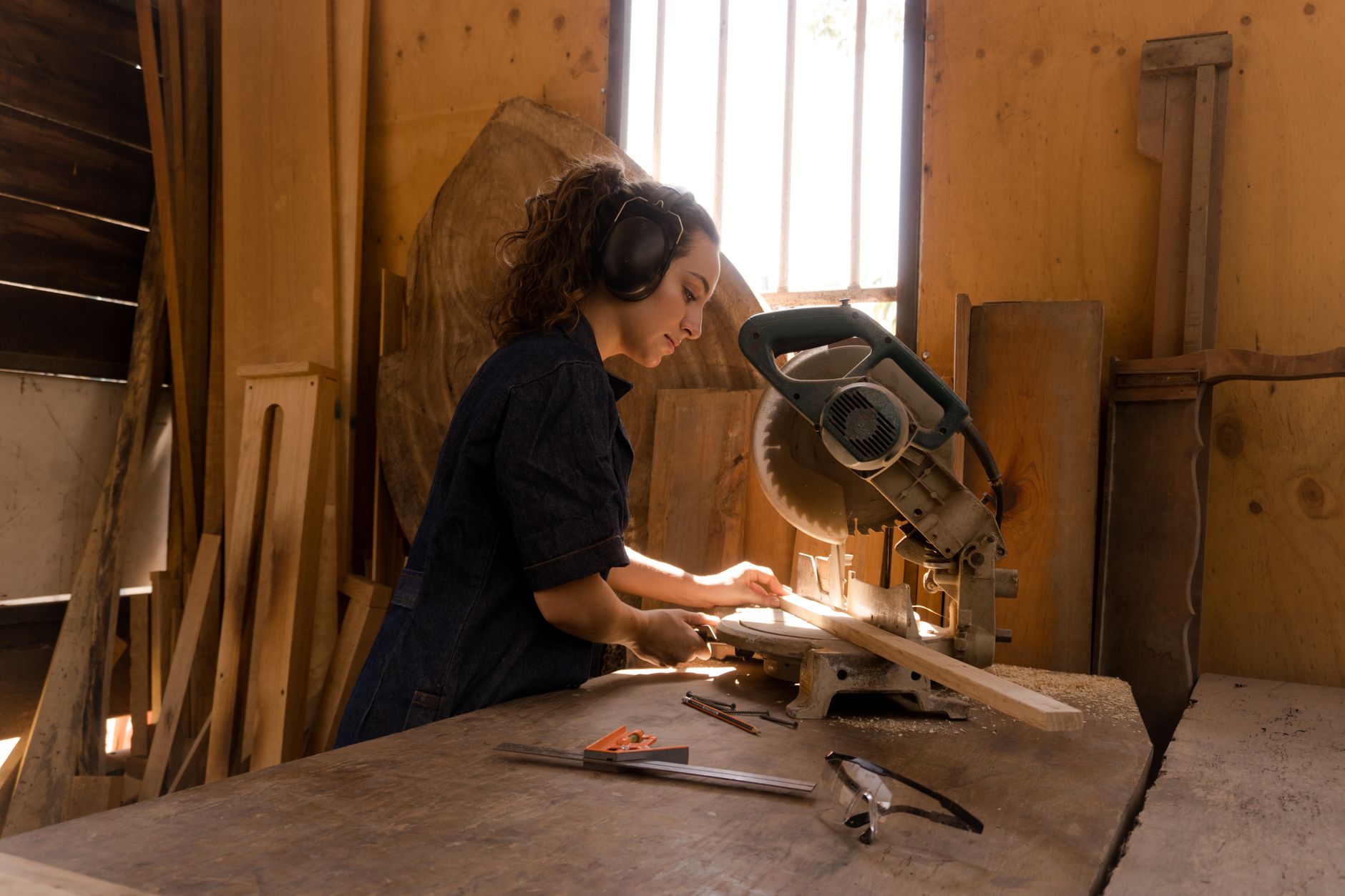
Skilled Trades: Training Paths for Career Changers Ready to Grow
Maybe you’ve been in the same field for years and feel a pull toward something more hands-on, more tangible, more you. Or perhaps you’re a working adult who’s ready to explore new opportunities and invest in a career path that aligns with who you are today — not who you were when you first entered the workforce. Whatever brought you here, one thing is clear: you’re thinking about your future, and that’s a powerful place to start. Skilled trades offer a compelling path for career changers of all backgrounds, and the training options available today make it more accessible than ever to take that first step.
Why Skilled Trades Deserve a Second Look

Skilled trades — think electricians, plumbers, HVAC technicians, welders, medical technicians, and more — have long been the backbone of communities across the country. Yet for many adults, the trades were never presented as a serious career path during their school years. The good news? It’s never too late to reconsider. A trades career change isn’t just a practical move — it can be a deeply fulfilling one that touches several dimensions of your overall wellness, including your vocational wellness (doing work that feels meaningful), your financial wellness (building greater stability), and even your physical and intellectual wellness as you develop new skills with your hands and your mind.
Trade school and vocational training programs are specifically designed to get working adults into the field efficiently. Unlike traditional four-year degrees, many trade programs can be completed in months to two years, allowing you to build expertise and transition into a new career path without putting your life on hold indefinitely.
Understanding Your Training Options
One of the first steps in a trades career change is understanding what training paths are actually available to you. The landscape is broader than most people realize, and finding the right fit depends on your goals, schedule, and the trade you’re interested in pursuing.
Trade School and Vocational Programs
Trade schools — also called vocational schools or technical colleges — offer focused, hands-on training in specific skilled trades. These programs are built for people who want practical, career-focused education without the broad general education requirements of a traditional college degree. Programs in areas like electrical work, plumbing, automotive technology, cosmetology, healthcare technology, and construction management are commonly available at community colleges and dedicated vocational institutions.
Many of these programs offer flexible scheduling options, including evening and weekend classes, which can be a significant advantage for working adults who can’t step away from their current jobs while they train. Some programs are also available in hybrid or online formats, blending digital instruction with hands-on lab components.
Apprenticeships: Learn While You Earn
Apprenticeships are one of the most time-tested training paths in the skilled trades. Through a registered apprenticeship, you work under the guidance of an experienced professional while receiving structured classroom instruction. Apprenticeships are offered through trade unions, employer associations, and government-registered programs, and they typically last between one and five years depending on the trade.
For career changers, apprenticeships can be especially appealing because they allow you to be employed in your new field from day one. You gain real-world experience, build professional connections, and develop skills in a structured environment — all at the same time. If you’re considering this route, research programs offered by the U.S. Department of Labor’s Office of Apprenticeship or contact local trade unions in your area to learn what’s available.
Community College Programs
Community colleges are often an overlooked gem for adults pursuing vocational training. Many offer certificate and associate degree programs in skilled trades at accessible price points, with flexible scheduling tailored to working adults. In addition to technical training, community colleges often provide support services like academic advising and career counseling, which can be valuable as you navigate your transition.
If you’ve been away from school for a while, starting at a community college can also be a comfortable way to ease back into an academic environment. Many students find this a confidence-building step that prepares them for further education or direct entry into their trade.
Which Skilled Trade Might Be Right for You?
Choosing a trade is a personal decision that goes beyond job availability — it’s about finding work that connects with your strengths, values, and lifestyle. Here are some popular skilled trades that career changers frequently explore, along with the types of training typically associated with each:
- Electrician: Typically requires a combination of trade school coursework and an apprenticeship. Programs focus on electrical theory, wiring, safety codes, and systems installation.
- HVAC Technician: Vocational programs often run six months to two years and cover heating, ventilation, air conditioning, and refrigeration systems. Certification exams are common in this field.
- Plumber: Usually involves a combination of trade school and an apprenticeship program lasting four to five years. Licensing requirements vary by state.
- Welder: Certificate programs at trade schools can often be completed in under a year. Welding is a versatile trade with applications in construction, manufacturing, and more.
- Medical or Dental Technician: Healthcare-adjacent trades like medical assisting, dental assisting, and surgical technology often require one to two years of vocational training at a community or technical college.
- Automotive Technician: Programs range from certificate courses to associate degrees and focus on diagnostics, repair, and maintenance of vehicles.
- Construction Management: For those who prefer to oversee projects rather than work on-site, associate or bachelor’s degree programs in construction management blend technical knowledge with leadership skills.
Practical Steps to Start Your Trades Career Change
Knowing you want to make a change and knowing how to start are two different things. Here’s a practical roadmap to help you move from curiosity to action:
1. Reflect on What You Want from Work
Before researching programs, spend some time thinking about what matters most to you in a career. Do you want to work outdoors or indoors? Do you enjoy problem-solving, precision, creativity, or helping others? Connecting your trade choice to your values supports not just your vocational wellness, but your emotional and spiritual wellness too — the sense that your work is aligned with who you are.
2. Research Licensing and Certification Requirements
Many skilled trades require state-specific licenses or industry certifications. Before enrolling in any program, research what credentials are required in your state for the trade you’re pursuing. Your state’s Department of Labor website and trade association websites are good starting points for this information.
3. Visit or Contact Schools Directly
Reach out to trade schools, community colleges, and vocational programs you’re considering. Ask about program length, schedule options, costs, and what credentials you’ll receive upon completion. Many schools offer information sessions or virtual tours designed specifically for prospective adult students.
4. Explore Financial Aid Options
Trade school and vocational programs can vary widely in cost. Many accredited programs are eligible for federal financial aid through the FAFSA, and some employers offer tuition assistance for workers pursuing job-related training. Contact the financial aid office at any school you’re considering to understand what options may be available to you.
5. Connect with People Already in the Field
One of the most valuable things you can do before committing to a trades career change is to talk to people who are already working in the field. This supports your social wellness by expanding your network, and it gives you real-world insight into what daily life in that trade actually looks like. Local trade associations, online forums, and professional networking platforms can all be helpful for making these connections.
The Wellness Case for Skilled Trades
Choosing a new career path isn’t just a financial or logistical decision — it’s a wellness decision. Work that engages your hands and mind, offers variety, and provides a clear sense of accomplishment at the end of each day can contribute meaningfully to your emotional, intellectual, and physical wellness. Many tradespeople describe deep satisfaction in seeing the results of their work — the building that stands, the system that runs, the space that’s transformed. That sense of concrete contribution is something many people find in skilled trades that they hadn’t experienced in previous careers.
Your overall wellbeing is shaped not just by where you work, but by how much you feel like your work reflects who you are and what you’re capable of. Investing in education and training is one of the most powerful ways to take ownership of that story.
Whether you’re exploring the trades for the first time or returning to education after years in a different field, there are programs designed to meet you where you are. Take some time to explore training options that align with your interests, your schedule, and the future you’re working toward.