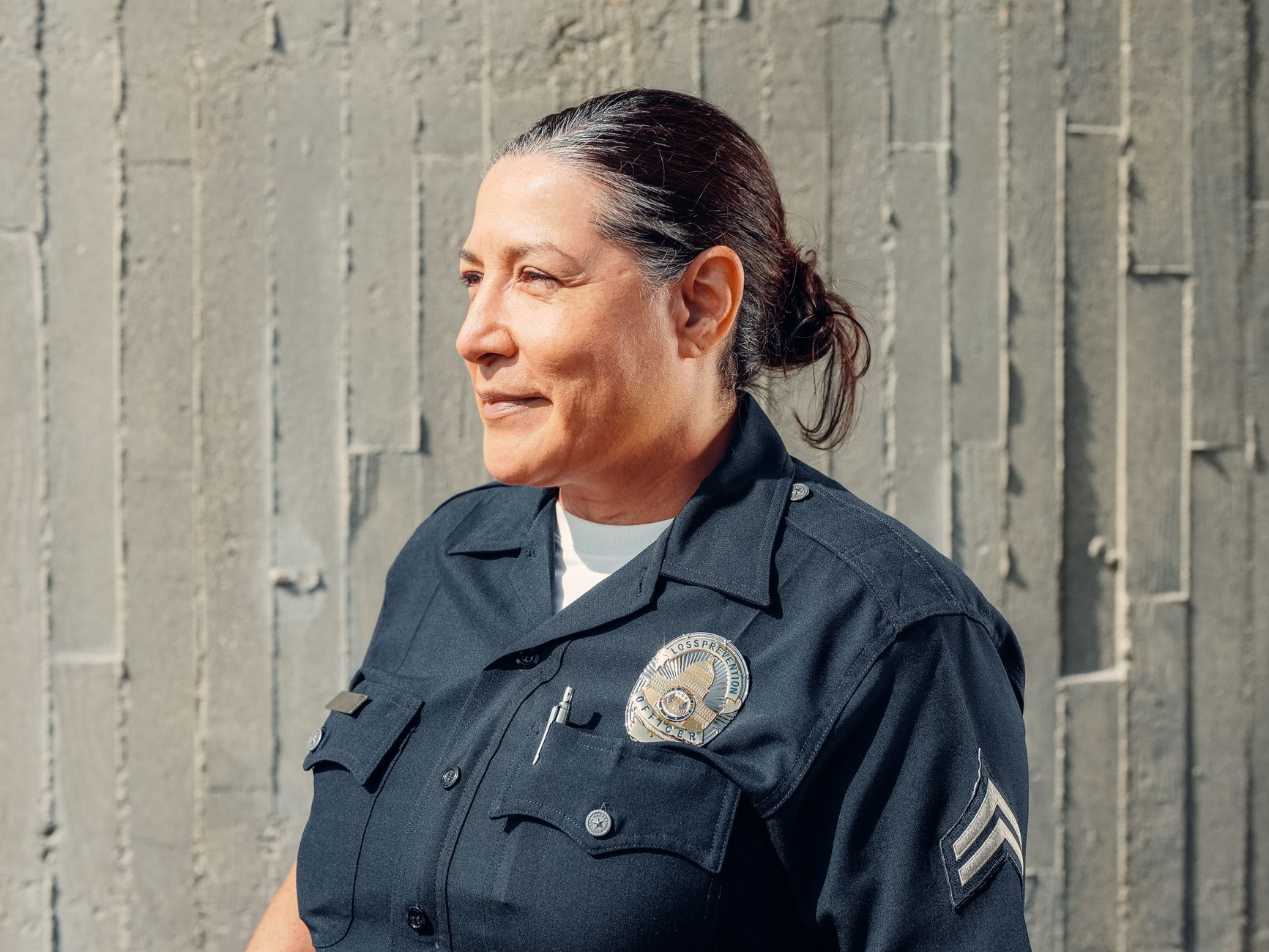
If you’ve ever felt a deep pull toward protecting your community, advocating for justice, or working in a field where your values align with your daily work, a career in criminal justice might be exactly the path you’ve been looking for. Whether you’re exploring a new direction after years in another field or stepping into higher education for the very first time, you’re not alone — and it’s never too late to take that next step. A criminal justice degree can open doors to a wide range of meaningful roles, from law enforcement and legal support to social services and public policy. This guide is designed specifically for working adults like you, walking you through what to expect and how to move forward with clarity and confidence.
Why Criminal Justice? Understanding the Appeal

Criminal justice is one of those fields that connects deeply with several dimensions of personal wellness. From a vocational wellness standpoint, it offers the opportunity to do work that feels purposeful and aligned with your values. On an emotional wellness level, many people who pursue this path describe a sense of fulfillment that comes from contributing to community safety and social equity. And from an intellectual wellness perspective, the field constantly challenges you to think critically, analyze complex situations, and grow your knowledge base.
Criminal justice careers span a broad spectrum. You might picture law enforcement officers or detectives, but the field also includes probation officers, forensic specialists, victim advocates, legal assistants, correctional counselors, policy analysts, and more. That variety means there’s likely a role that fits your personality, strengths, and goals — no matter where you’re starting from.
Step 1: Reflect on Your Goals and Interests
Before diving into applications or program research, take some time to reflect on what specifically draws you to criminal justice. This kind of self-reflection supports your emotional and spiritual wellness — both dimensions that remind us how important it is to align what we do with who we are.
Ask yourself a few honest questions:
- Am I drawn to direct community work, such as law enforcement or social services?
- Do I have an interest in the legal or court system?
- Am I passionate about rehabilitation and helping people rebuild their lives?
- Would I enjoy research, policy, or behind-the-scenes analytical work?
- Do I want to work with youth, adults, or a specific population?
Your answers will help guide you toward the right criminal justice programs and the specific focus area that fits your vision for the future.
Step 2: Research Criminal Justice Degree Options
One of the great things about pursuing a criminal justice degree today is the variety of formats available — many of which are designed with working adults in mind. You don’t have to put your life on hold to invest in your education.
- Associate Degree in Criminal Justice: Typically a two-year program that can serve as an entry point into the field or a stepping stone toward a bachelor’s degree.
- Bachelor’s Degree in Criminal Justice: A four-year degree that provides a comprehensive foundation in law, criminology, ethics, and the justice system. This is often a standard requirement for many mid-level and supervisory roles.
- Master’s Degree in Criminal Justice: Designed for professionals looking to move into leadership, research, or specialized areas of the field.
- Certificate Programs: Shorter, focused programs in areas like forensic science, homeland security, or legal studies — a good option if you want to expand your knowledge in a specific area.
Many criminal justice programs are available online, making them highly accessible for adults balancing work, family, and other responsibilities. Online learning also supports your environmental wellness by letting you create a study space that works for your lifestyle.
When comparing criminal justice programs, consider the following factors:
- Accreditation: Look for regionally accredited institutions, which ensures your degree is recognized by employers and other academic institutions.
- Flexibility: Does the program offer part-time options, asynchronous coursework, or evening classes that fit your schedule?
- Specializations: Can you focus on areas like criminology, cybercrime, forensic psychology, or public administration?
- Support services: Does the school offer academic advising, career guidance, and support resources for adult learners?
- Transfer credits: If you’ve taken college courses before, can any of those credits apply toward your new degree?
Step 3: Understand What Criminal Justice Coursework Covers
A well-rounded criminal justice degree typically covers a mix of theory, law, and practical application. Here’s a general look at the types of courses you might encounter:
- Introduction to Criminal Justice and Criminology
- Constitutional Law and Criminal Procedure
- Research Methods and Crime Analysis
- Corrections and Rehabilitation
- Ethics in Criminal Justice
- Juvenile Justice Systems
- Homeland Security and Emergency Management
- Victimology and Victim Services
This coursework builds intellectual wellness by developing critical thinking, ethical reasoning, and a deeper understanding of social systems. Many adult learners find that their life experience actually enhances their classroom performance — your perspective as a working adult is genuinely valuable.
Step 4: Explore Potential Criminal Justice Career Paths
A criminal justice degree can lead to a wide variety of career paths. Here are some roles that graduates often pursue:
- Law Enforcement Officer or Detective: Work at local, state, or federal levels to investigate crimes and protect communities.
- Probation or Parole Officer: Support individuals as they reintegrate into society after serving time.
- Victim Advocate: Provide support and resources to individuals affected by crime.
- Forensic Science Technician: Analyze evidence to assist in criminal investigations.
- Legal Assistant or Paralegal: Support attorneys in preparing cases and managing legal documents.
- Correctional Officer or Counselor: Work within correctional facilities to maintain safety and support rehabilitation.
- Homeland Security Specialist: Focus on national safety, border protection, and emergency response.
- Criminal Justice Policy Analyst: Research and develop recommendations to improve justice systems.
Each of these paths contributes to social wellness — the sense of connection and contribution to something larger than yourself — which can be deeply meaningful for working adults seeking more purpose in their professional lives.
Step 5: Plan Your Financial Approach
Investing in education is a significant decision, and financial wellness is an important part of your overall plan. Before enrolling, explore your options thoughtfully:
- Complete the FAFSA (Free Application for Federal Student Aid) to understand what federal aid you may qualify for.
- Ask schools about payment plans, employer tuition assistance programs, or work-study opportunities.
- Research whether your current employer offers education benefits — many do.
- Look into federal student loan options and understand repayment terms before borrowing.
- Speak with a financial aid advisor at any school you’re considering to get a clear picture of costs.
Understanding your financial picture up front helps you make a confident, informed decision — one that supports your long-term wellbeing rather than adding unnecessary stress.
Step 6: Take the First Step Toward Enrollment
Once you’ve done your research and feel ready to move forward, the enrollment process is more straightforward than many adults expect. Here’s what a typical path looks like:
- Gather your documents: You’ll likely need transcripts from any previous schooling, a government-issued ID, and possibly a personal statement or application essay.
- Connect with an admissions advisor: Most schools have advisors who specialize in helping adult learners navigate the process — don’t hesitate to reach out.
- Review program requirements: Make sure you understand prerequisites, credit requirements, and expected time to completion.
- Start with one step: You don’t have to have everything figured out before you begin. Sometimes the most important thing is simply making contact with a program that interests you.
You’re Ready to Grow — And the Path Is There
Pursuing a criminal justice career through higher education is a meaningful investment in yourself and your future. Whether you’re exploring this field for the first time or returning to school after years away, you bring with you life experience, motivation, and a clear sense of purpose that can make all the difference. The field of criminal justice needs thoughtful, dedicated professionals — and that could very well be you.
If you’re ready to take the next step, explore criminal justice programs that are designed with working adults in mind and find the path that fits your goals, your schedule, and your vision for the future.