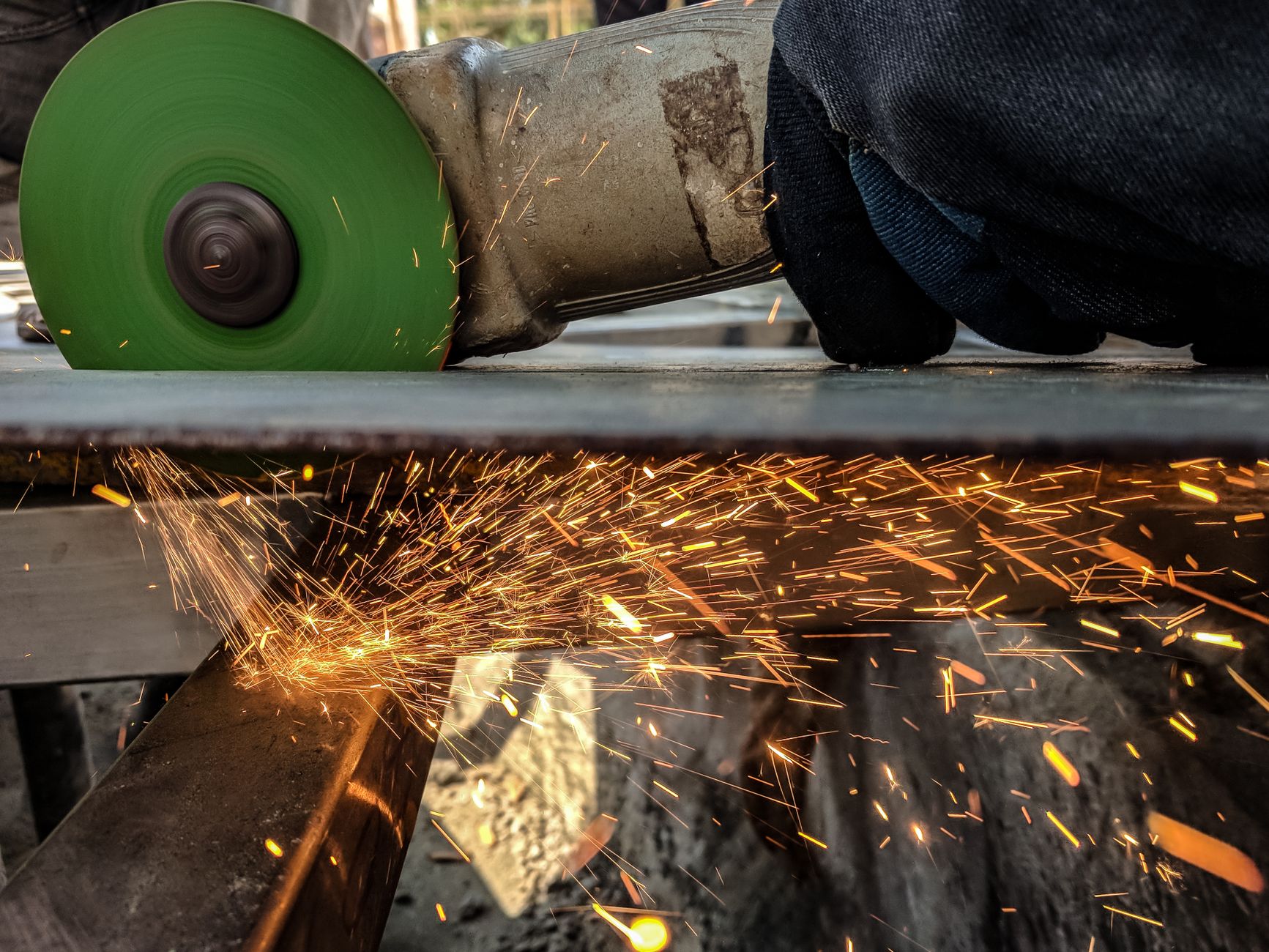
There’s a moment many working adults recognize — a quiet but growing sense that it’s time to explore something new. Maybe your current career path no longer aligns with who you are or where you want to go. Maybe you’re looking for work that feels more hands-on, more purposeful, or simply more rewarding. Whatever brought you here, you’re asking a powerful question: What’s next? For a growing number of adults in their 30s, 40s, and 50s, the answer is increasingly pointing toward skilled trades — and the training paths that make a career change not just possible, but practical.
What Are Skilled Trades, Really?

When people hear “skilled trades,” they often picture construction workers or electricians. And yes, those are absolutely part of the picture — but the world of skilled trades is much broader than most people realize. Skilled trades are careers that require specialized technical training rather than a traditional four-year college degree, and they span a wide range of industries.
- Electrical work and industrial maintenance
- Plumbing and pipefitting
- HVAC (heating, ventilation, and air conditioning)
- Welding and fabrication
- Carpentry and construction
- Automotive and diesel technology
- Healthcare support roles (medical assisting, dental assisting, surgical technology)
- IT support and cybersecurity fundamentals
- Cosmetology and esthetics
- Culinary arts and hospitality
What unites all of these fields is that they can be entered through vocational training — structured programs designed to give you practical, job-ready skills in a fraction of the time it takes to complete a traditional degree. For adults who want to move forward without spending four or more years in school, this can be a compelling option to explore.
Training Paths Worth Exploring as a Career Changer
One of the most encouraging things about pursuing skilled trades as a career change is that there are multiple entry points. You don’t have to follow one rigid path. Here are the most common training options to consider:
Trade School (Vocational or Technical School)
A trade school — also called a vocational school or technical college — offers focused programs that typically run anywhere from a few months to two years. These programs are designed with working adults in mind, and many offer flexible scheduling, evening classes, and online components so you can continue working while you train. At trade school, you’ll spend your time learning skills that are directly applicable to your chosen field, without the general education requirements that come with a traditional college degree.
Trade school is often the fastest and most direct route into skilled trades. If you know what field interests you, researching accredited vocational programs in your area — or online — is a great first step.
Apprenticeships
An apprenticeship combines on-the-job training with classroom instruction. You work alongside experienced tradespeople while earning wages and building skills. Apprenticeships are available in many traditional trade fields and are typically sponsored by unions, industry associations, or employers. They usually last between one and five years depending on the trade. For adults who learn best by doing — and who want to start contributing in a real work environment right away — apprenticeships can be an excellent option to explore.
Community College Programs
Many community colleges offer certificate and associate degree programs in skilled trades and technical fields. These programs are often more affordable than four-year universities, and they may offer the added benefit of transferable credits if you decide to pursue further education later. Community colleges are also well-known for their accessible, supportive environments — making them a welcoming option for adults returning to school after years away.
Online and Hybrid Programs
Technology has expanded what’s possible in vocational education. While hands-on trades will always require some in-person training, many programs now offer hybrid formats — blending online coursework with in-person labs or clinical hours. This flexibility makes it more realistic for working adults with busy schedules to pursue vocational training without putting the rest of their lives on hold.
How a Trades Career Change Supports Your Overall Wellness
At MyCollegeWellness, we think about education through the lens of the 8 dimensions of wellness — and a career change into skilled trades can meaningfully support several of them:
- Vocational Wellness: Finding work that aligns with your values, strengths, and interests is at the heart of vocational wellness. A trades career change gives you the opportunity to rediscover what kind of work actually energizes you.
- Intellectual Wellness: Learning new technical skills, solving complex problems, and mastering a craft all engage your mind in meaningful ways — and intellectual growth doesn’t stop at any age.
- Financial Wellness: Exploring a career path with strong demand and long-term stability can support your financial goals. Researching the economic outlook of your chosen trade is an important step in making an informed decision.
- Physical Wellness: Many trade careers are active and hands-on, which can be a welcome change for adults who have spent years at a desk. Movement and physical engagement are natural parts of many trade roles.
- Emotional Wellness: There’s real satisfaction in doing work you’re proud of — in building something, fixing something, or helping someone directly. That sense of purpose supports emotional well-being in a profound way.
- Social Wellness: Trades careers often involve working closely with teams, clients, and communities — offering rich opportunities for connection and collaboration.
Practical Steps to Get Started
If you’re seriously considering a trades career change, here are some grounded, actionable steps to help you move forward with confidence:
1. Identify What Draws You to the Trades
Start with some honest reflection. Are you drawn to working with your hands? Do you enjoy problem-solving in physical spaces? Are you interested in a specific industry like healthcare, technology, or construction? Understanding your motivations will help you narrow down which trade field is the right fit.
2. Research Programs in Your Area (and Online)
Once you have a field in mind, research accredited trade schools, community colleges, and apprenticeship programs that offer training in that area. Look at program length, schedule flexibility, accreditation status, and what the curriculum covers. Don’t rush this step — the right program for your life circumstances matters.
3. Talk to People Already in the Field
Informational interviews can be incredibly valuable. Reach out to tradespeople in your area of interest — through LinkedIn, local trade associations, or your personal network — and ask them about their day-to-day experience, how they got started, and what they wish they’d known. Real-world insight is priceless.
4. Explore Financial Aid and Employer Support
Vocational training can often be more affordable than traditional degree programs, and financial assistance options may be available through federal aid, state workforce programs, or even your current employer. Research your options carefully and speak with financial aid advisors at programs you’re considering.
5. Give Yourself Permission to Take the First Step
Many adults delay pursuing education because the timing never feels quite right. But there’s rarely a “perfect” moment. Starting with something small — attending an information session, requesting a program brochure, or completing an online application — can build the momentum you need to move forward.
It’s Never Too Late to Invest in Yourself
One of the most common concerns adults have about returning to school is age. Will I fit in? Is it too late? The answer, emphatically, is no. Trade schools and vocational programs serve adults of all ages, and your life experience is an asset — not a disadvantage. The maturity, work ethic, and perspective you bring as an adult learner can actually accelerate your growth in a new field.
The skilled trades need people who are committed, capable, and ready to grow — and that description fits a lot of career changers perfectly.
If you’re ready to explore what vocational training could look like for your life and your goals, there are programs designed with working adults exactly like you in mind. Take a moment to explore what’s available and find a path that feels right for where you want to go.